願いが叶うクルスの海全景.jpg
Article

45206 / ひゅうがし

Miyazaki Prefecture

Hyuga City

Faults are thought to have cut a cross.

Kurusu no Umi, cross inlet

Photo by 長曽我部政幸 (CC BY-SA 4.0)

01 / Mimitsu's Tsukinuke

Three streets run from the harbor,crossed by firebreak lanes called tsukinuke.

Hyuga Historical and Folk Museum.jpg
Photo by STA3816 (CC BY-SA 4.0)

Three main streets run south from the harbor of Mimitsu (美々津), crossed at right angles by firebreak lanes called tsukinuke (ツキヌケ), said to date from the Edo period. The shipping agent Kawachiya (河内屋), built in 1855, is now a history museum. The place name Tachinui (立縫) keeps a legend of Emperor Jimmu's departure.

  • 3 main streets from the harbor, crossed by tsukinuke
  • Dec. 1986: selected as an Important Preservation District
  • Kawachiya: built in 1855 (Ansei 2)

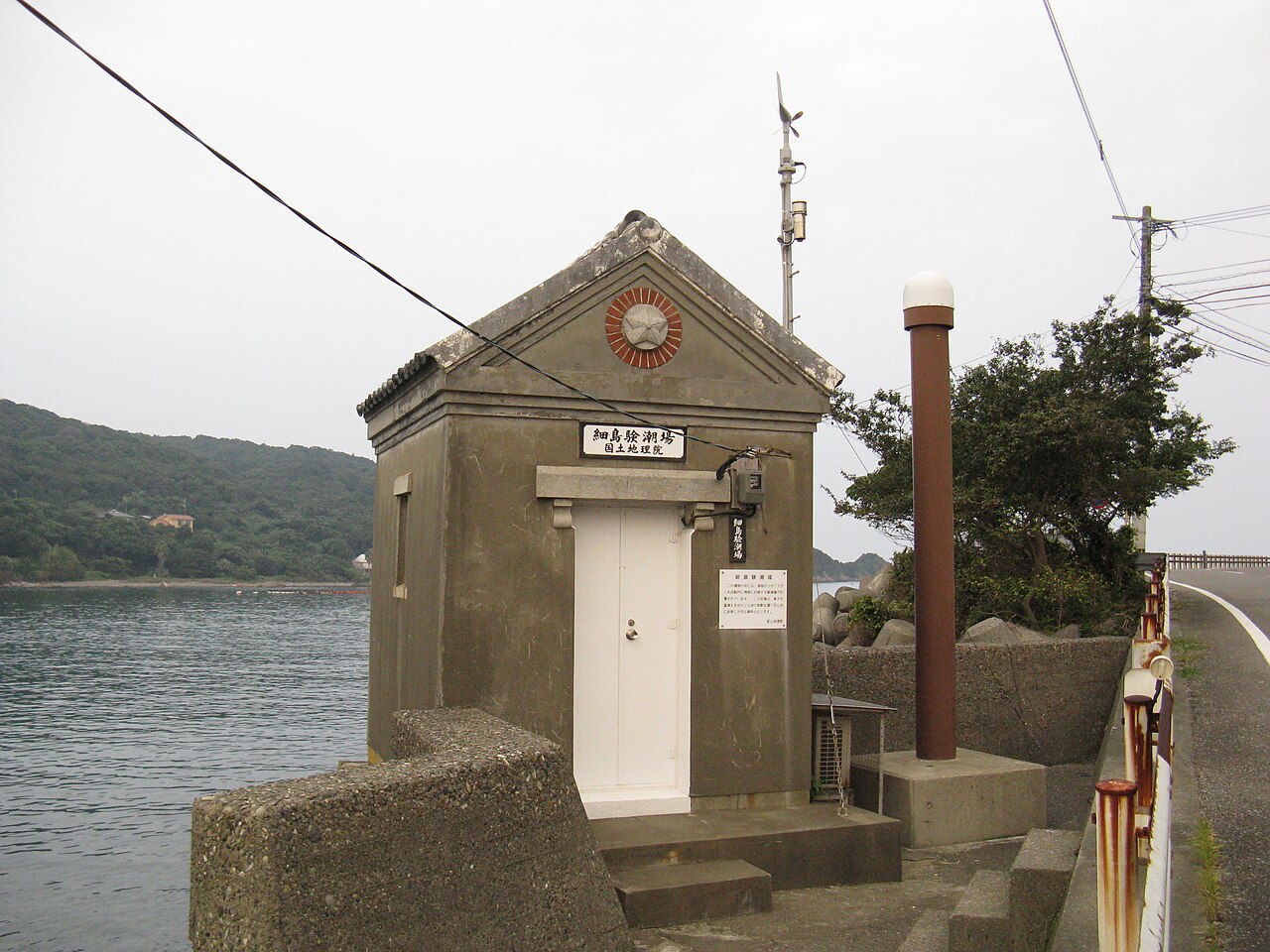
02 / Hososhima Tide Station

An Army insignia still marksthe front of this tide-observation house.

Hosojima Tide Station.jpg
Photo by Tremblay.typea (CC BY-SA 3.0)

Hososhima Tide Station (細島験潮場) was set up in 1892 (Meiji 25) as a tide-observation post by the Army's Land Survey Department. The building is brick, with a mortar finish on its outer walls today. A tide gauge sits over the well at the center of the observation room, and readings now go automatically to the Geospatial Information Authority of Japan. In the Edo period, the site held a lookout post that watched ships.

  • Set up 1892 (Meiji 25)
  • Mar. 2018: Registered Tangible Cultural Property (building)
  • Oldest tide-station building still in operation in Japan (GSI)

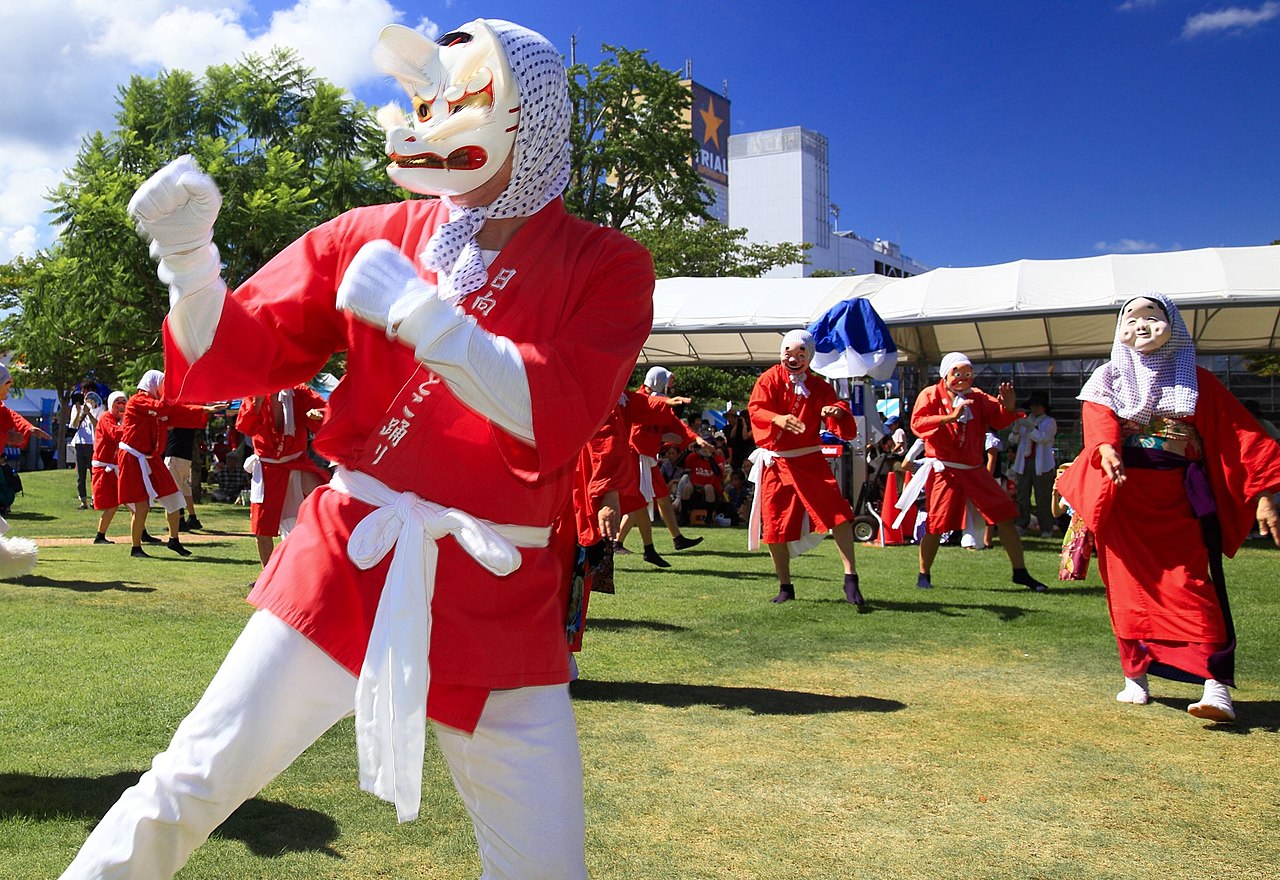
03 / Nagata Hyottoko Dance

A fox, an okame, and a hyottoko dance in a circle;a man with a broom sweeps the ground clean at the end.

日向ひょっとこ夏祭り1.jpg
Photo by k.kuroki (CC BY-SA 4.0)

The eye doctor Tachibana Kimiyuki (橘公行) adapted Edo-style sato-kagura into this dance and spread it. In Nagata (永田), it is offered at the local Inari shrine on the first-horse day (hatsuuma). The Hyuga Hyottoko Summer Festival (日向ひょっとこ夏祭り), begun in 1984, also holds individual contests for fox, okame, and hyottoko dancers.

  • City-designated folk performing art (1992)
  • 3 musicians, about 10 youths, 1 broom dancer
  • Offered at the Inari shrine on the first-horse day

Living here

The Mimi River runs from western mountains to the eastern sea.

  • about 60,000 people

In northeastern Miyazaki, the city borders Kadogawa to the north, Misato to the west, and Tsuno and Kijo to the south. In February 2006 it merged with Togo, the birthplace of the poet Wakayama Bokusui (若山牧水). The Mimi River (耳川) flows through from west to east, and the gateway is JR Hyugashi Station.

People living here
59,629people
2010

−3.5% since 2015

63,223 → 59,629

Area
336.89km²

79.99km² of it habitable

2024

Households
25,111households

2.4 people per household

2020

Rent (average for rentals)
38,093yen

National average 60,630 yen

2023

Healthcare
6 hospitals / 45 clinics

8.6 per 10,000 people

2023

Area336.89km²Habitable land79.99km² / 24%
Area and habitable land at the same scalee-Stat B1101 / B1103

Population from 2010 onward (municipal boundary changed).2006-02-25 に編入合併(東郷町)。2010年調査から市域が変わっている。

Children waiting for childcare
—18 nurseries and similar
Home purchase subsidy
—
Average annual temperature
—

These 3 items are waiting on a nationwide data source. We do not fill them with estimates.

Shape

Borders 4 municipalities.

Hyuga City in Japan32.423°N 131.624°E
TokyoOsakaHyuga City
Territory of Hyuga City
Boundaries: National Land Numerical Information (N03)

North to south

20.0km

美郷町, 都農町, 門川町, 木城町

Travel times per leg are not published by the municipality, so they are not shown.

Hyuga City isthis kind of town.

  1. 01Kurusu no Umi (クルスの海) at Cape Hyuga is a coast where the sea cuts into the land in a cross. The national natural monument description for the cape's columnar joints says this shape is thought to have formed as erosion advanced along small crossing faults.
  2. 02Mimitsu is a harbor town where firebreak lanes called tsukinuke cross its three main streets. It is said to be where Emperor Jimmu set sail, and became an Important Preservation District for Groups of Traditional Buildings in 1986.
  3. 03Hososhima Tide Station is a Meiji-era building from the start of tide observation in Japan. The Nagata Hyottoko Dance is offered at a local Inari shrine on the first-horse day.

See the town as it is now.

Source: Wikidata (P2002, P2003, P2013, P2397)

If something caught your eye, ask the town itself.