Yura-Daiba-Hokuei-Tottori-2014043001.JPG
Article

31372 / ほくえいちょう

Tottori Prefecture 東伯郡

Hokuei Town

A battery ruin: half a regular octagon.

Yura Daiba Battery Site

Photo by Hasec (CC0)

01 / Mutsuo Reverberatory Furnace Site

Some timber from the furnace workshop lives onin the Hamamoto House's pillars, beams and more.

The Mutsuo reverberatory furnace, built in 1857 (Ansei 4), cast about 50 cannon, which were also sent to Tenpozan in Osaka, Okayama domain, Hamada domain and elsewhere. It was demolished from 1870 (Meiji 3) on; earthworks and a well site remain today.

  • Built in 1857 (Ansei 4)
  • About 50 cannon cast
  • Some workshop timber reused in the Hamamoto House (Yumihara)

02 / Masuda Shinzo and the Shinkai Irrigation Channel

On a dune nearly barren until the early modern era,Masuda Shinzo and others dug a channel.

Hojosakyu.jpg
Photo by 㭍月例祭 (Public domain)

Hojo Dune was land where, in places the water did not reach, hard labor went on until around the Showa 30s (1955-64). Masuda Shinzo and Okamoto Rihei dug the Shinkai Irrigation Channel and developed 300 chobu of land. In 1856 (Ansei 3), the town says, he petitioned the domain to allow the reclamation, at his own expense.

  • Petitioned the domain in 1856 (Ansei 3), the town says
  • 300 chobu developed by the Shinkai Channel
  • Hojo Dune stretches about 12.5km east to west

03 / Maeda Kanji

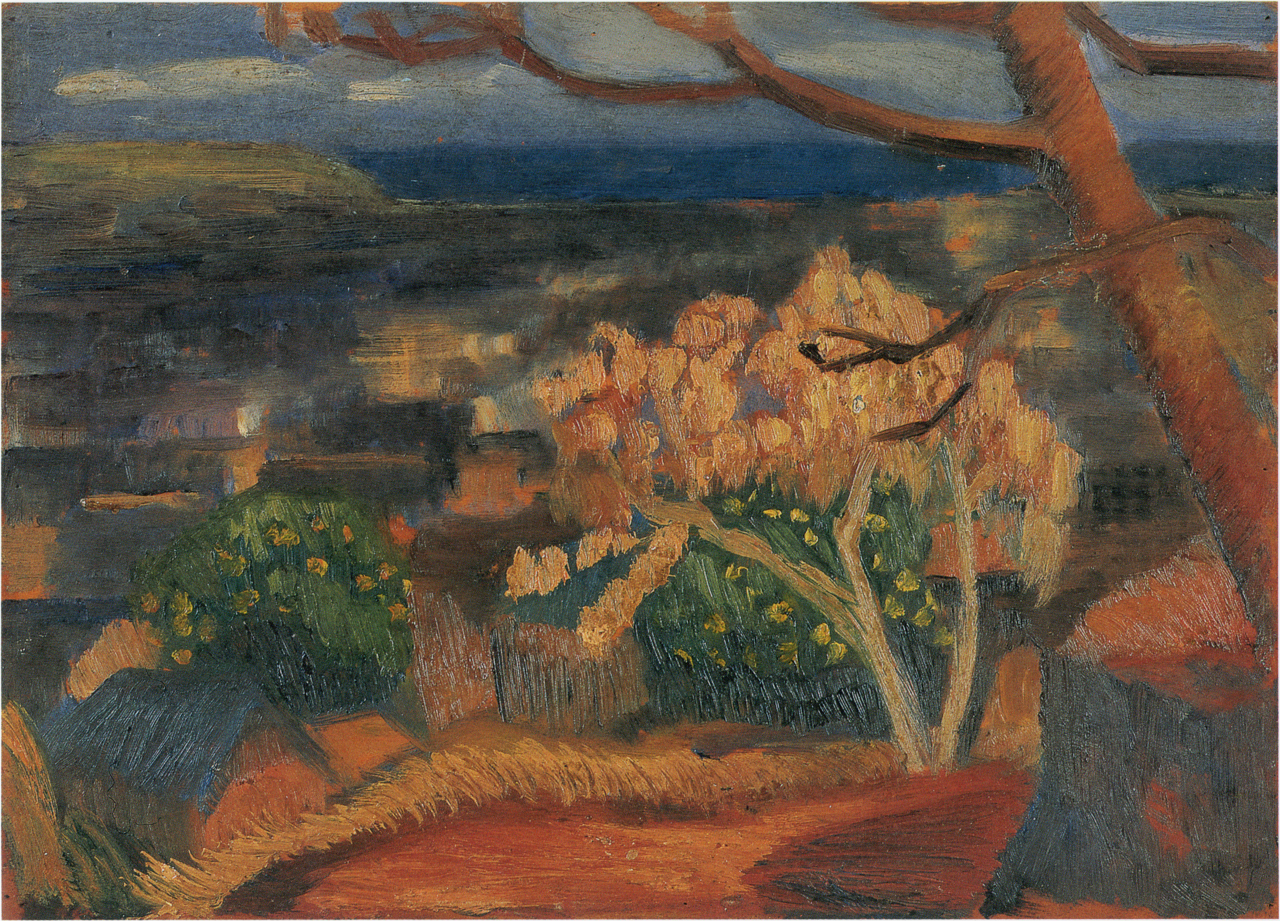
The painter who developed his own realist theorydied at 33 and rests in his hometown.

MaetaKanji-1922-View of the Sea.png
Photo by Maeta Kanji (Public domain)

Born in 1896 in Kunisaka, this Western-style painter studied at the Tokyo School of Fine Arts, then went to France. He opened the Maeda Realism Institute in 1928, advanced 'new realism' and taught younger artists. He won the Imperial Academy of Fine Arts Prize in 1929 and died in 1930, aged 33.

  • Born 1896, died 1930 (aged 33)
  • Opened the Maeda Realism Institute in 1928
  • Imperial Academy of Fine Arts Prize, 1929

Living here

A dune on the Sea of Japan to the north, black-soil hills to the south.

  • about 10,000 people
  • Rural district town

Hokuei lies in central Tottori. The 12.5km-long Hojo Dune runs along the coast, with hills of black-soil (kuroboku) farmland to the south. It is a farming town known for Daiei watermelons, Hojo Dune grapes and dune nagaimo (Chinese yam), and nine wind turbines stand on the dune.

People living here
14,228people
20052020

−4% since 2015

16,052 → 14,228

Area
56.94km²

42.55km² of it habitable

2024

Households
4,987households

2.9 people per household

2020

Rent (average for rentals)
—
Healthcare
0 hospitals / 3 clinics

2.1 per 10,000 people

2023

Area56.94km²Habitable land42.55km² / 75%
Area and habitable land at the same scalee-Stat B1101 / B1103
Children waiting for childcare
—6 nurseries and similar
Home purchase subsidy
—
Average annual temperature
—

These 3 items are waiting on a nationwide data source. We do not fill them with estimates.

Shape

Borders 3 municipalities.

Hokuei Town in Japan35.490°N 133.758°E
TokyoOsakaHokuei Town
Territory of Hokuei Town
Boundaries: National Land Numerical Information (N03)

North to south

9.5km

倉吉市, 琴浦町, 湯梨浜町

Travel times per leg are not published by the municipality, so they are not shown.

Hokuei Town isthis kind of town.

  1. 01Yura Daiba (由良台場跡) is the ruin of a battery built in the late Edo period against foreign ships. Its plan is a regular octagon cut in half, 125m east to west and 80m north to south, with earthworks 5m high. Nearly all of it survives, and it became a National Historic Site in 1988.
  2. 02The town says the cannon placed at the battery were cast at the Mutsuo reverberatory furnace within its bounds. In the dune of the late Edo period, Masuda Shinzo and others dug the Shinkai Irrigation Channel and pushed on with irrigating the sand. The Western-style painter Maeda Kanji also came from this town.
  3. 03The town's specialties include Daiei watermelon, Hojo Dune grapes and dune nagaimo. Yura Station, where the tourist association has its office, is nicknamed 'Conan Station', and the town is home to Gosho Aoyama, the author of Detective Conan.

See the town as it is now.

Source: Wikidata (P2002, P2003, P2013, P2397)

If something caught your eye, ask the town itself.