Seiganji Temple.jpg
Article

11369 / ひがしちちぶむら

Saitama Prefecture 秩父郡

Higashichichibu Village

Saitama's only village, east of Chichibu.

Photo by M yanagisawa (CC0)

01 / Highland ranch

On the ridge facing the Chichibu Basin,a prefectural ranch spreads out.
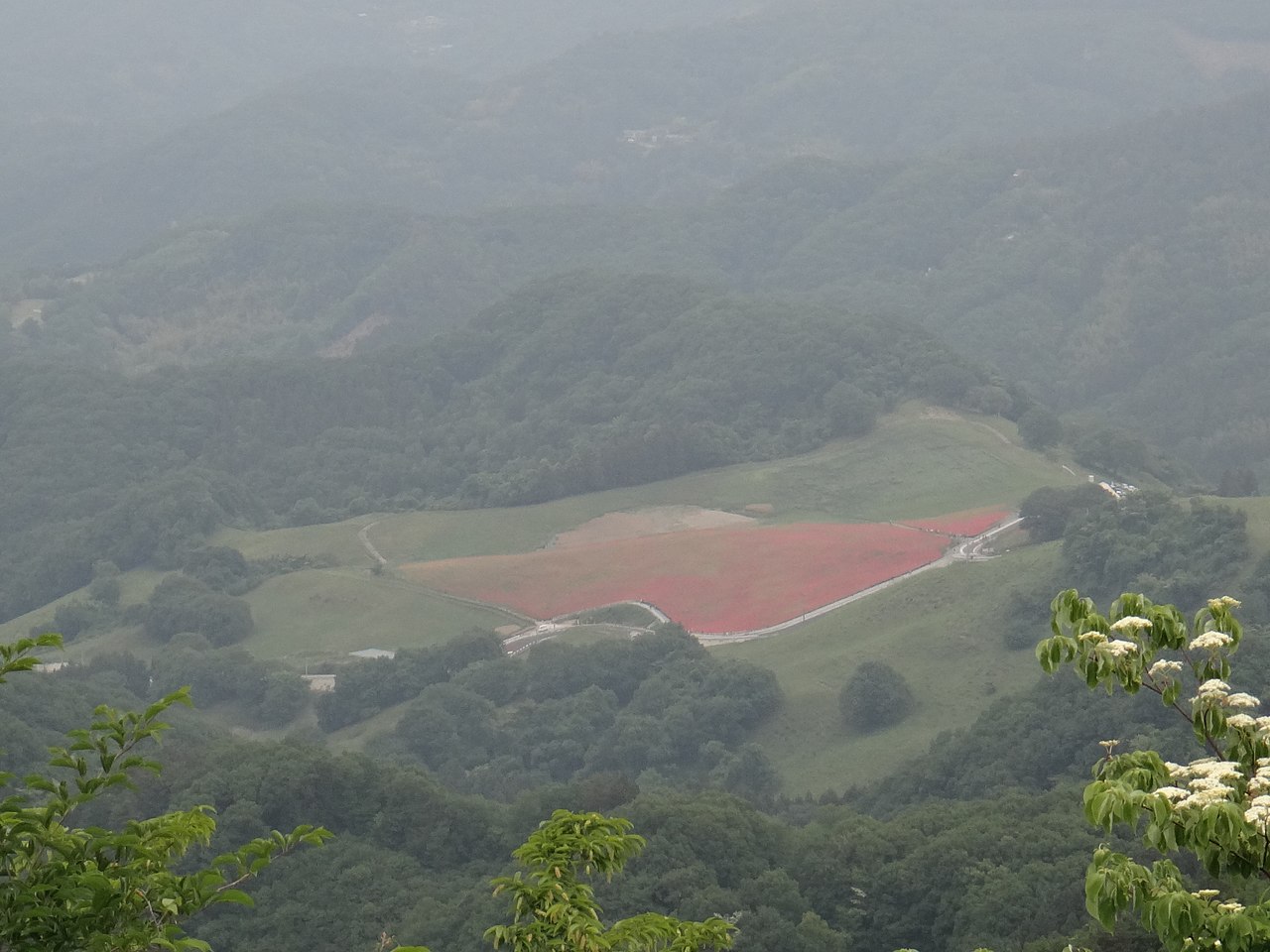
大霧山からの天空のポピー.jpg
Photo by Koda6029 (CC BY-SA 4.0)

The village takes its name from lying east of the Chichibu Basin, across the mountains. On the ridge that divides them, from Mount Atago to Mount Ōgiri (大霧山, 766.6 m), the prefecture's Chichibu Kōgen Bokujō ranch (秩父高原牧場), shared with Minano, covers about 352 ha. Opened in 1973, it raises dairy cattle entrusted by farmers across the prefecture, and part of it is open to the public as Sainokuni Fureai Bokujō (彩の国ふれあい牧場).

  • About 352 ha
  • Opened in 1973
  • Mount Ōgiri, 766.6 m

02 / Washi village

A farmhouse that gave up its stableto make paper.

Michinoeki Washinosato Higashichichibu house.jpg
Photo by Qurren (CC BY-SA 3.0)

Together with Ogawa, the village is home to Hosokawa-shi (細川紙), a handmade washi paper recognised by UNESCO as Intangible Cultural Heritage. In the garden of the Washi no Sato Higashichichibu roadside station (道の駅 和紙の里ひがしちちぶ) stands a thatched papermaking house, a farmhouse thought to date from the late 17th century; in the Tenpō era its earthen-floored stable is believed to have been cleared to make a papermaking room. It was designated a prefectural tangible folk cultural property in 1974.

  • Built around the late 17th century
  • Turned to papermaking in the Tenpō era
  • Prefectural designation, 1974

03 / Flowering peach

Peach trees planted on idle fieldsturn the hamlet pink.

Hanamomo no Sato (花桃の郷, "Flowering Peach Village") in Ōuchisawa began when local residents planted trees to make use of abandoned farmland and improve the landscape. Several thousand flowering trees, mainly ornamental peach along with cherry and forsythia, colour the mountain hamlet, at their best from late March to early April. The village's tourism site calls it a "Shangri-La" (桃源郷).

  • Planted on abandoned farmland
  • Several thousand flowering trees
  • Best late March to early April

Living here

25 minutes by bus from Ogawamachi Station.

  • about 3,000 people
  • Rural district town

There is no railway station in the village. The village says the Eagle Bus takes about 25 minutes from Ogawamachi Station on the Tobu Tojo Line and about 20 minutes from Yorii Station (buses from Yorii are suspended on weekends and holidays for the time being). By car, it is about 22 minutes from Ranzan-Ogawa IC on the Kan-Etsu Expressway. About 80% of its 37.06 km² is forest.

People living here
2,709people
19952020

−7.1% since 2015

4,323 → 2,709

Area
37.06km²

7.51km² of it habitable

2024

Households
990households

2.7 people per household

2020

Rent (average for rentals)
—
Healthcare
0 hospitals / 2 clinics

7.4 per 10,000 people

2023

Area37.06km²Habitable land7.51km² / 20%
Area and habitable land at the same scalee-Stat B1101 / B1103
Children waiting for childcare
—1 nurseries and similar
Home purchase subsidy
—
Average annual temperature
—

These 3 items are waiting on a nationwide data source. We do not fill them with estimates.

ACCESS

Where you can go from here.

Higashichichibu Village in Japan36.058°N 139.195°E
OsakaHigashichichibu Village
東秩父村役場入口
東秩父村役場入口2008
  • to OgawamachiLocal bus25min

Travel times follow 村公式「役場への行き方」(2014-10-01 更新)と村の観光サイト「交通案内」の、東武東上線小川町駅からのイーグルバスの案内に載っている値。イーグルバスの東秩父村路線の時刻表(2024年4月1日改正・2026年8月掲載の主要バス停時刻表 第2版)で今の運行を確かめた (checked 2026-09-24). They vary by time of day.

Shape

Borders 5 municipalities.

Territory of Higashichichibu Village
Boundaries: National Land Numerical Information (N03)

North to south

10.5km

小川町, 皆野町, 寄居町, 秩父市, ときがわ町

Higashichichibu Village isthis kind of town.

  1. 01Saitama's only village, lying east of the Chichibu Basin across the mountains, with about 80% of its area forested
  2. 02On the ridge toward Mount Ōgiri, the prefecture's Chichibu Kōgen Bokujō ranch, shared with Minano, covers about 352 ha
  3. 03A home of Hosokawa-shi paper, where a thatched papermaking house that turned its stable into a papermaking room survives at Washi no Sato

If something caught your eye, ask the town itself.